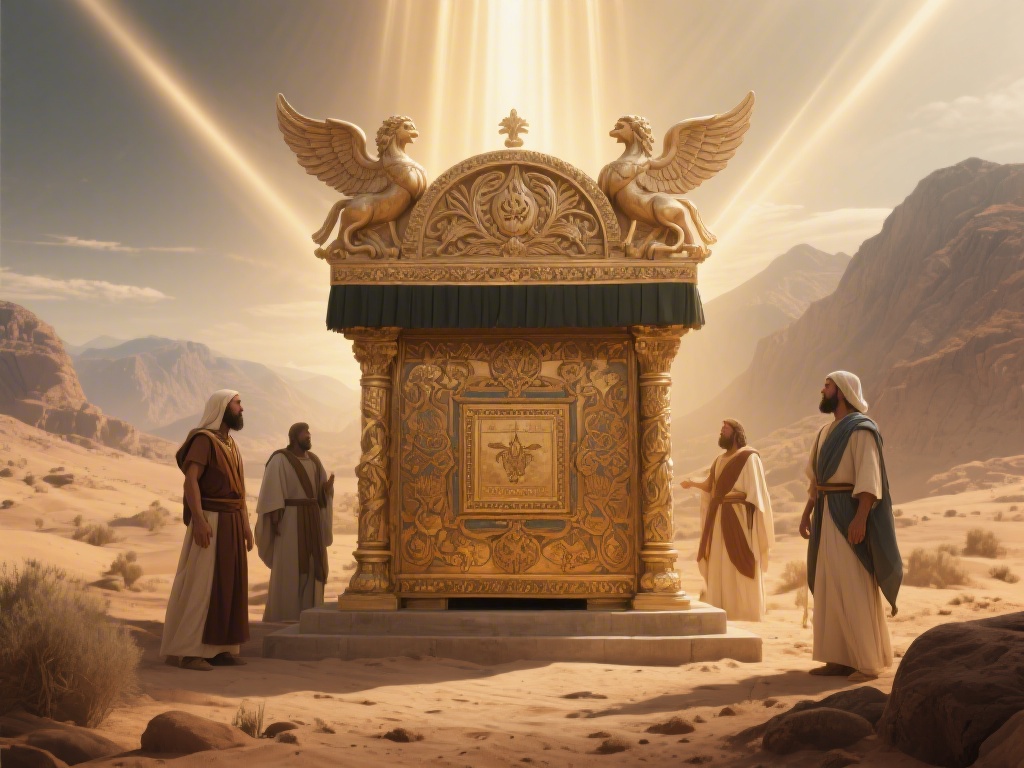
The Ark of God, a pivotal element in the narrative of 2 Samuel, has been a subject of much fascination and debate over the centuries. In this comprehensive guide, we delve into what the Ark of God truly represents and its significance in the context of the Old Testament.
The Historical Context of the Ark of God
In 2 Samuel, the Ark of God is a symbol of divine presence and power. It was initially built by Moses and carried through the wilderness by the Israelites. The Ark was considered sacred and was accompanied by the Levites who played music and shouted to lead the Israelites in battle.
Significance of the Ark of God
The Ark of God symbolizes God's presence among His people. It is often associated with several key events in 2 Samuel, such as the defeat of the Philistines and the deliverance of Israel. The Ark's presence was seen as a source of strength and protection for the Israelites.
Symbolism of the Ark of God
The Ark is adorned with cherubim, which represent God's presence and His protection. It is also associated with the Ten Commandments, which were placed inside the Ark. The Ark thus serves as a physical representation of God's covenant with His people.
The Decline and Fall of the Ark of God
Despite its significance, the Ark of God faced its share of challenges. In 1 Samuel 4, the Ark was captured by the Philistines, leading to a series of calamities for the Israelites. The Ark was later returned to Israel, but its journey was fraught with difficulties, reflecting the human tendency to stray from divine guidance.
Contemporary Interpretation of the Ark of God
Today, the Ark of God remains a symbol of divine presence and power. It represents the unbreakable bond between God and His people. For Christians, the Ark is a reminder of the promise of eternal salvation through Jesus Christ.
In conclusion, the Ark of God in 2 Samuel is much more than a mere object; it is a powerful symbol that represents God's presence and His unyielding love for His people. By understanding its significance, we can gain a deeper appreciation for the stories and teachings of the Old Testament.