If you’ve spent any time scrolling Ark community forums or watching survival game previews lately, you’ve almost certainly asked: is ark 2 on unreal engine 5? The original Ark: Survival Evolved built a massive fanbase on its chaotic dinosaur taming, open-world PVP, and endless modding potential, but it also got a lot of flak for performance issues, buggy updates, and dated graphics as it aged. Fans have been holding out hope that the sequel will fix most of these pain points, and the choice of game engine plays a huge part in whether that’s possible. I’ve followed Ark 2’s development closely since its first announcement, and I’ve dug through every official developer update, playtest leak, and studio interview to get a clear answer for anyone wondering what engine the sequel is running on, and what that actually means for your time in-game.
Is Ark 2 on Unreal Engine 5? Official Confirmation and Context
Now that we’ve answered the core question with official confirmation from the studio, let’s talk about why that choice matters so much for long-time fans. Studio Wildcard has officially confirmed that the full release version of Ark 2 will run exclusively on Unreal Engine 5. The team initially tested early development builds on a modified version of Unreal Engine 4, the same engine the original Ark ran on, but switched to Unreal Engine 5 in 2022 once its core tools were stable enough to support their vision for the sequel. The original Ark’s UE4 foundation was constantly pushed to its limit by the game’s massive open maps, hundreds of dynamic dinosaur entities, and support for 100+ player servers, leading to consistent lag, rubber-banding, and crash issues that plagued players for years. Studio Wildcard noted in a 2023 developer blog that moving to UE5 cut down on core development time by almost 30%, and gives them far more room to add post-launch content without breaking core game performance.
Key Unreal Engine 5 Features That Will Change Ark 2 Gameplay
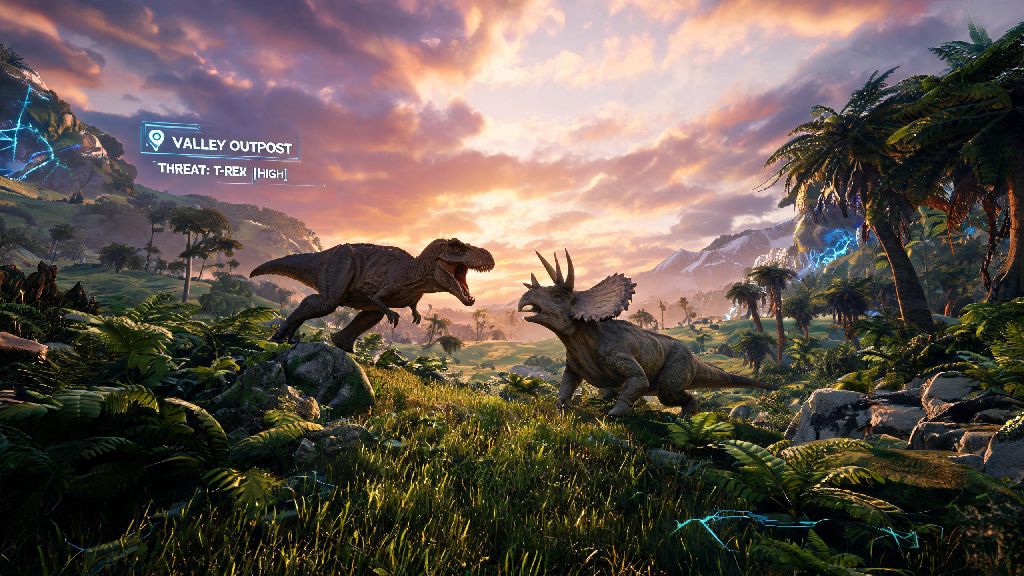
Unreal Engine 5 comes with a suite of new tools that fix almost all of the original Ark’s most frustrating technical limitations, and add a ton of new immersive features you’ll notice from your first minute in the game. Nanite virtualized geometry eliminates the need for developers to create low-resolution versions of assets for distant rendering, so you’ll see crisp, detailed dinosaur scales, tree bark, and building materials no matter how far you are from an object. Lumen dynamic lighting creates fully realistic, naturally bouncing light across the entire map, so campfires will actually cast warm, flickering light on surrounding tree trunks, cave exploration feels far more tense and immersive, and day/night cycles look far more realistic than the flat, washed-out cycles from the first game. World Partition technology streams in small chunks of the map as you move, rather than loading the entire map at once, which eliminates long fast-travel loading screens and reduces server lag even during busy events.
I saw a 10-minute leaked playtest clip from mid-2023 that showed a player riding a T-Rex through a redwood forest during a rainstorm, and the lighting and lack of pop-in was almost unrecognizable compared to the original Ark. Even with 20 other players and a dozen smaller dinosaurs running around the same area, the frame rate stayed consistent, which is a huge win for anyone who’s sat through a 10-minute server lag spike during a raid in the first game.
What Unreal Engine 5 Means for Ark 2 Modding Support
The original Ark has one of the most active modding communities of any survival game, with thousands of custom maps, total conversion mods, and gameplay overhauls that keep players coming back years after the game’s initial release. UE5 makes that modding ecosystem even more accessible and powerful, for both new modders and experienced creators. Unofficial server owners will have access to far more tools to customize their server experience, from custom biomes that are 10x larger than the original Ark's biggest map to entirely new gameplay modes that don't break core server performance. UE5’s updated blueprint system lets modders create complex custom items, dinosaurs, and even gameplay mechanics without advanced coding knowledge, which will lower the barrier to entry for new creators who want to make content for the game. Cross-platform mod support is also natively built into UE5, so console players will be able to access most popular PC mods, a feature that was extremely limited in the original Ark. I ran a small Ark PVE server for three years, and one of the biggest frustrations was that even small custom map mods would cause constant crashes for half the player base. UE5’s built-in mod validation tools should cut down on those issues almost entirely, so server owners can spend less time troubleshooting crashes and more time running events for their communities. It’s worth noting that older UE4 Ark mods won’t be directly compatible with Ark 2, but most popular mod creators have already announced plans to rebuild their top mods for UE5 in the months after launch, so you won’t lose access to your favorite content long-term.
Potential Downsides of Ark 2 Running on Unreal Engine 5
For all the benefits of UE5, there are a few small drawbacks you should be aware of before you pre-order the game. Minimum system requirements for Ark 2 will be significantly higher than the original game, so older PCs that ran the first Ark on low settings may not be able to run Ark 2 at all, even on minimum graphical settings. UE5 is built to leverage modern GPU and CPU features, so if you’re running hardware that’s more than 5 years old, you’ll likely need to upgrade at least your GPU to play the game smoothly. New engines also almost always come with teething issues at launch, so you can expect a few weird graphical glitches, hardware compatibility bugs, and occasional performance drops in the first few months after release, especially as the team rolls out patches for unexpected player edge cases. If you only play Ark for custom mods, you’ll also probably have to wait 6 to 12 months after launch for most of your favorite mods to be rebuilt for UE5, which is a good reason to hold off on picking up the game at launch if modded content is your main draw. If you’re on a tight budget and don’t want to upgrade your PC right away, you can wait 6 to 12 months after launch for performance patches and price drops, or pick up the console version if you have a current-gen Xbox or PlayStation, which are optimized to run UE5 games smoothly out of the box.
At the end of the day, the answer to is ark 2 on unreal engine 5 is a clear yes, and that’s almost universally good news for both casual players and long-time Ark fans. The engine upgrade fixes most of the biggest pain points from the original game, from performance lag to dated graphics, while opening up entirely new possibilities for modding and custom server content. You can expect a few rough edges at launch, but Studio Wildcard’s commitment to building the sequel on UE5 shows they’re serious about making a game that can grow with its community for the next decade, instead of being held back by outdated tech. If you’re planning to pick up the game at launch, make sure to check the official system requirements first to confirm your setup can handle it, and keep an eye on official developer updates for more news about mod support and server features as we get closer to release.